Disney-Style Cybersecurity: Why Small Businesses Are Making Security Training Fun (And You Should Too)

Traditional cybersecurity training is broken. Your employees dread it, they forget it, and frankly, it's not protecting your business. But what if we told you that companies like Disney have cracked the code on making security training so engaging that employees actually share it with their friends?
The old-school approach of cramming 60 minutes of dry compliance content into overwhelmed brains is failing businesses everywhere. Meanwhile, smart organizations are borrowing techniques from the entertainment industry to create training that's memorable, effective, and: dare we say it: fun.
The Problem with Boring Security Training
Standard cybersecurity training assumes employees can absorb one piece of information every two minutes for a solid hour. That's 30 separate learning points crammed into a single session. No wonder people's eyes glaze over.
Here's the harsh reality: your current training approach is setting your business up for failure. When employees can't remember what they learned, they can't apply it when a real threat appears in their inbox.
The disconnect is massive: Security professionals design training one way, but employees: who consume Netflix, YouTube, and TikTok daily: have completely different expectations for quality content.
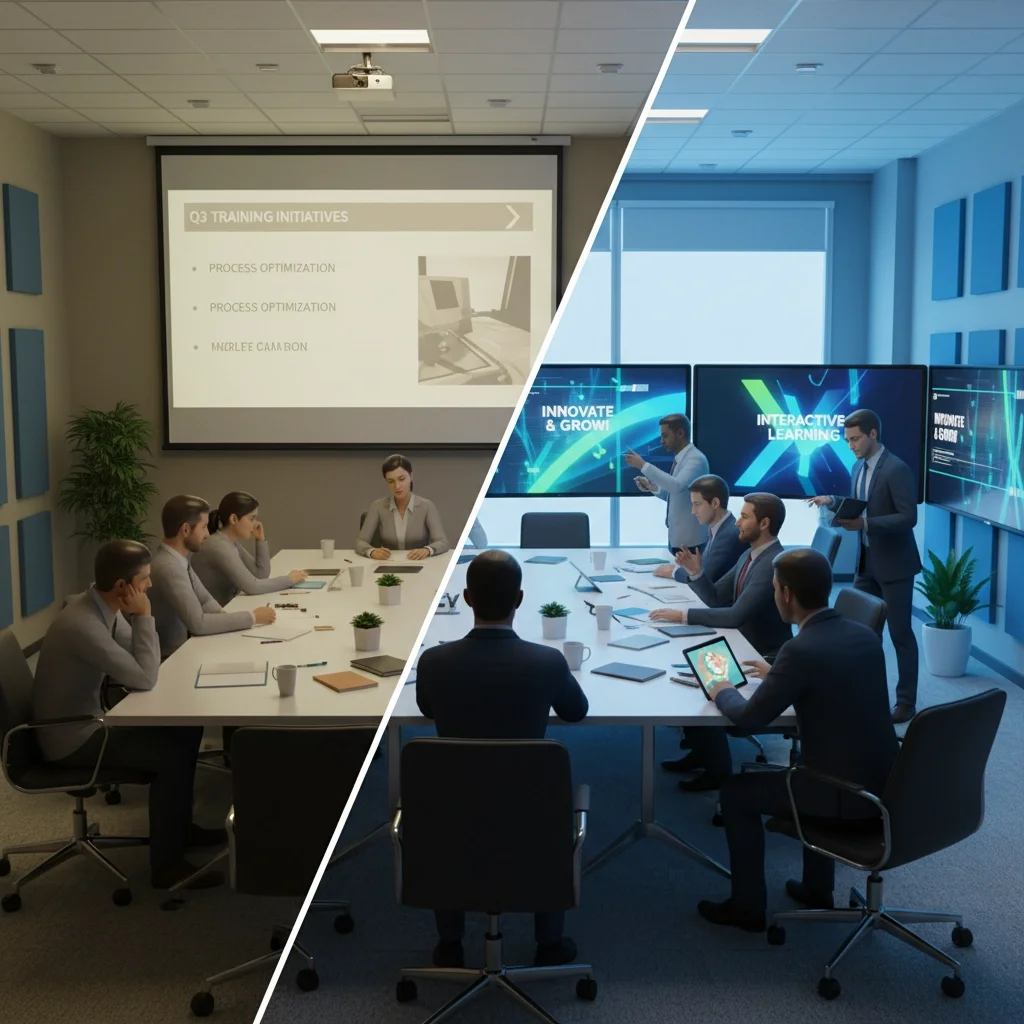
How Disney Revolutionized Security Training (And Why It Matters to Your Business)
Disney didn't just improve their cybersecurity training: they completely reimagined it by applying their core strength: storytelling and entertainment.
Instead of relying on generic, vendor-provided content, Disney developed an in-house approach that mirrored television and film production. Their strategy was brilliant in its simplicity:
• Short, engaging video formats that avoid information overload
• Entertainment-grade production quality with actual Hollywood involvement
• Genuine storytelling that makes content memorable and entertaining
Disney created 2-3 minute live-action videos for quick reinforcement moments, paired with slightly longer 4-5 minute animated videos that explored concepts in greater depth. One initial video featuring Mark Hamill in voice-over went viral internally, accumulating nearly 20,000 views and generating employee sharing across social platforms.
The results? Anonymous surveys showed that 80% or more of employees who viewed specific training content reported actual behavior changes, such as adjusting their social media privacy settings.
Why Small Businesses Need This Approach More Than Anyone
Small businesses are actually more vulnerable to cyber attacks than large enterprises. This isn't just our opinion: it's backed by data. Criminals specifically target smaller organizations because they typically have:
• Smaller cybersecurity budgets making comprehensive protection harder
• Limited IT expertise on staff to recognize and respond to threats
• Fewer security layers protecting critical business data
• Less frequent security updates and patch management
Your business has valuable assets that criminals want: employee and customer data, financial information, business communications, and potentially trade secrets. All of this requires protection, and your employees are your first line of defense.
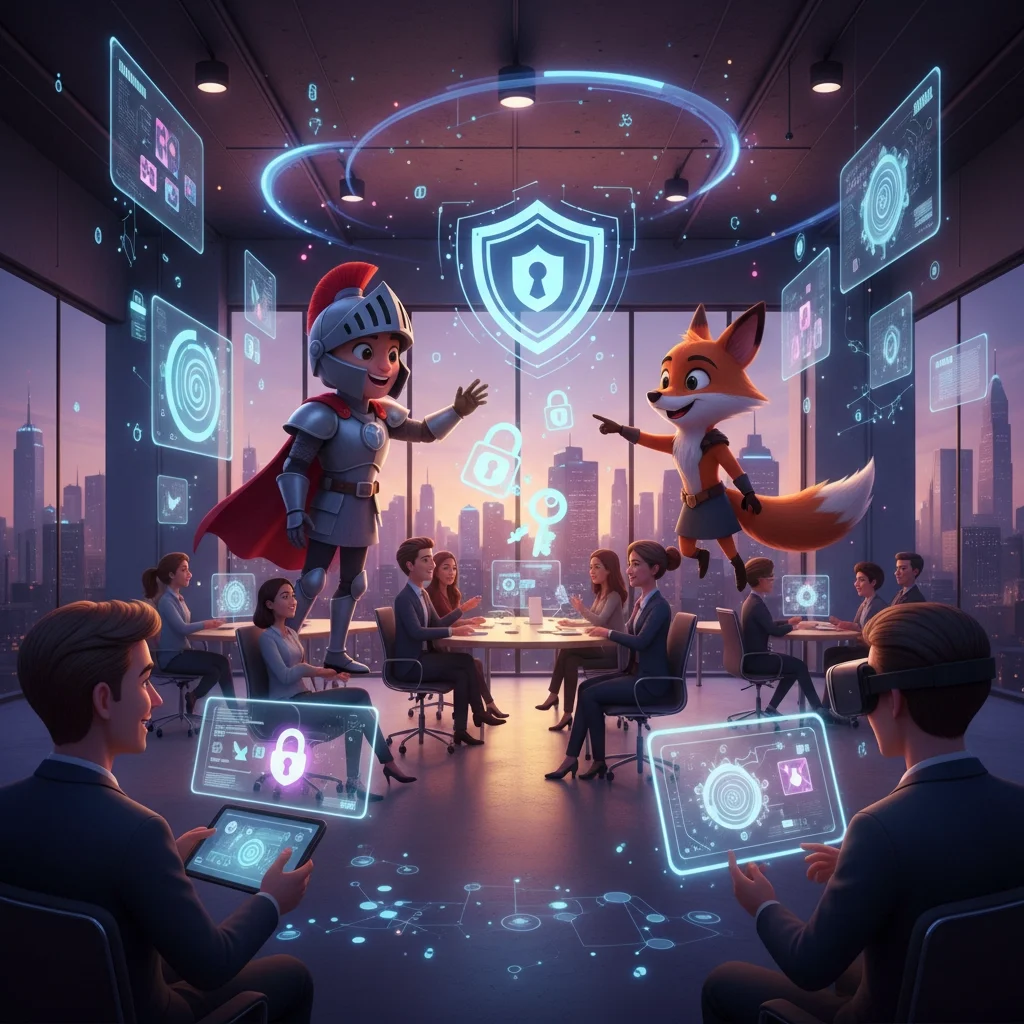
Key Principles for Making Security Training Actually Work
Make It Ongoing, Not One-Time
Learning about cybersecurity is complex, and a single training session creates false security. Regular, reinforced learning improves retention and reduces information overload. Think of it like physical fitness: you wouldn't expect to get in shape with one workout.
Avoid Fear-Based Motivation
Fear backfires spectacularly. While it might seem like a powerful motivator, fear-based training discourages employees from reporting issues or admitting mistakes due to fear of consequences. Instead, approach training with confidence in your employees' ability to succeed and emphasize their responsibility to protect the company.
Use Strategic Engagement Mechanisms
Gamification works when done right. Interactive quizzes, progress tracking, and friendly leaderboards make training more engaging while measuring its effectiveness. The key is making it feel like a game, not a test.
Secure Executive Buy-In from the Top
Training effectiveness improves dramatically when it's positioned as a mandatory, top-down initiative championed by company leadership, ideally including the CEO. This signals its importance to the entire organization and ensures adequate resources.
Create Industry-Relevant Content
Generic templates waste everyone's time. Your training should address the specific threats and scenarios relevant to your business and team. A law office faces different risks than a medical practice or construction company.
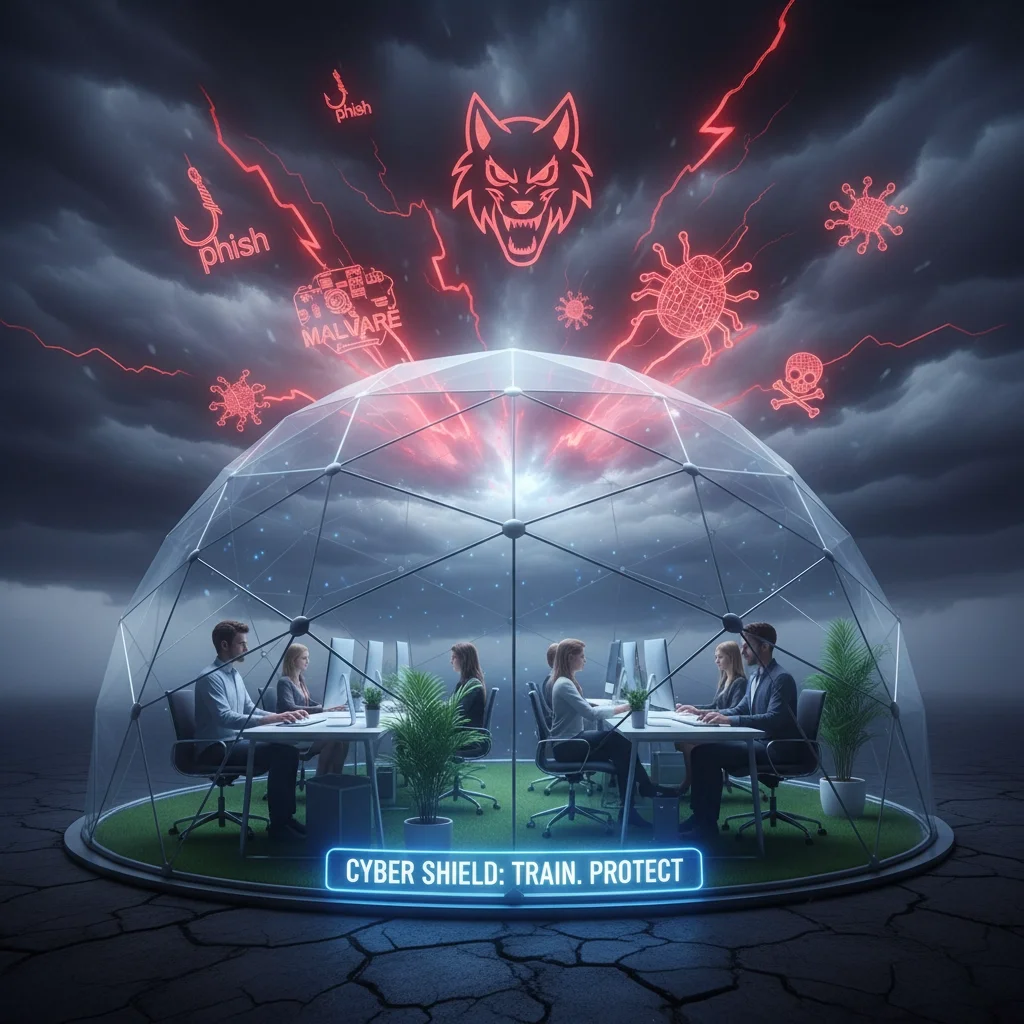
The Business Case for Fun Training
Companies adopting this Disney-inspired approach see measurable improvements:
• Higher completion rates with fewer follow-up reminders required
• Improved information retention leading to better threat recognition
• Positive employee feedback instead of training complaints
• Actual behavior changes that reduce security incidents
• Cost savings from fewer security breaches and IT emergencies
The fundamental insight is simple but powerful: people retain information better when they're entertained. By treating cybersecurity training as a content challenge worthy of creative energy: rather than a compliance checkbox: organizations dramatically improve both engagement and actual behavior change.
How to Get Started with Fun Security Training
Step 1: Audit Your Current Training
Honestly assess your existing program. How long is it? How often do employees complete it on time? What's the feedback? If you're seeing low engagement or frequent security incidents, it's time for a change.
Step 2: Set Clear, Measurable Goals
Define what success looks like. This might include completion rates, employee feedback scores, phishing simulation results, or incident reduction targets. You can't improve what you don't measure.
Step 3: Choose Your Content Strategy
You have several options:
• Partner with specialized providers who create Hollywood-style security content
• Develop short, scenario-based videos relevant to your industry
• Use gamified platforms that make learning interactive and competitive
• Combine multiple approaches for maximum engagement
Step 4: Get Leadership Involvement
Make it clear that security training is a priority. When the CEO or business owner demonstrates the importance of cybersecurity education, employees take it seriously.
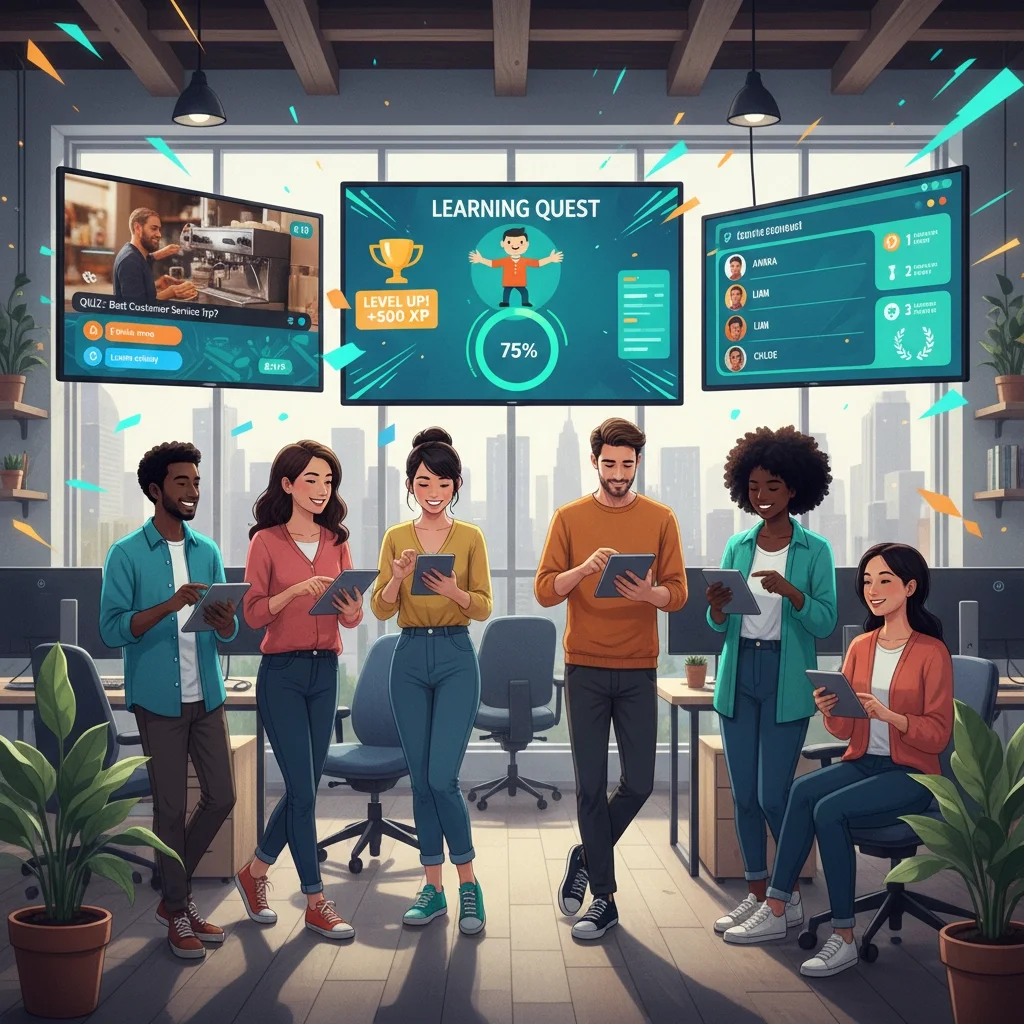
Real-World Implementation for Small Businesses
You don't need Disney's budget to implement these principles. Start small and build momentum:
• Create 2-3 minute scenario videos using your smartphone and basic editing software
• Use real examples from your industry or actual incidents (anonymized)
• Make it conversational and relatable to your team's daily work
• Include interactive elements like quick quizzes or discussion points
• Schedule regular refreshers rather than annual marathon sessions
The key is consistency over perfection. A simple, engaging 3-minute monthly video will be more effective than an elaborate annual presentation.
Why This Matters Right Now
Cybersecurity threats are evolving rapidly. AI-powered deepfake attacks and sophisticated social engineering techniques require employees who are genuinely engaged and educated about current threats.
Traditional training approaches leave your business vulnerable because they fail to create lasting behavioral change. Fun, engaging training isn't just nice to have: it's a competitive advantage that protects your business while building a security-conscious culture.
Take Action Today
Your cybersecurity is only as strong as your least-trained employee. By making security training engaging, memorable, and relevant, you're not just checking a compliance box: you're building a human firewall that adapts and improves over time.
Ready to transform your cybersecurity training from a dreaded chore into something your team actually values? Contact TekkEez today to learn how we can help you implement engaging, effective security training that protects your business while respecting your employees' time and intelligence.
Because when security training is done right, everyone wins.