AI Deepfake Attacks Are Targeting Small Businesses: 7 Signs Your Cybersecurity Isn't Ready (And How to Fix It)
The cybersecurity landscape has fundamentally shifted, and small businesses are facing a threat that sounds like science fiction but delivers very real financial devastation. AI-powered deepfake attacks are now targeting organizations of every size, with criminals using sophisticated voice and video cloning technology to impersonate executives, bypass security systems, and trick employees into transferring millions of dollars.
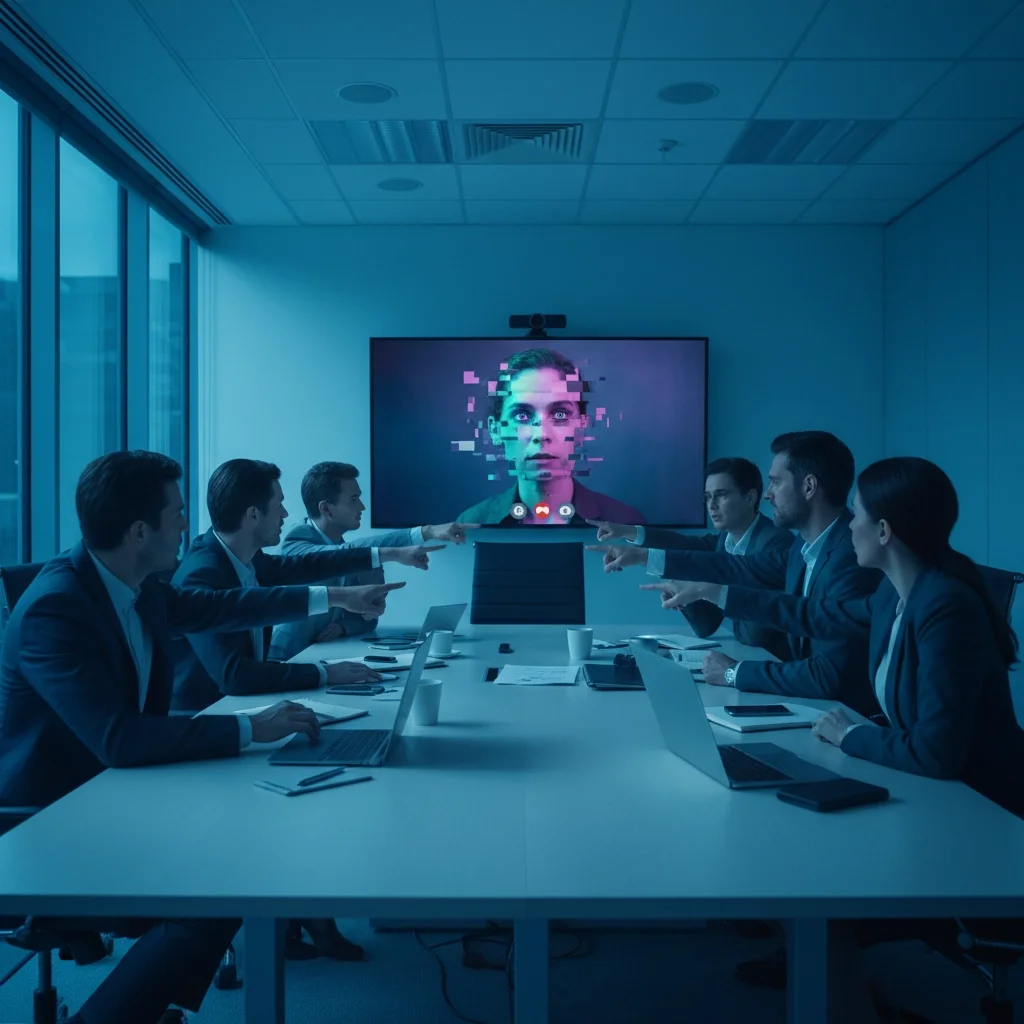
The barrier to entry has collapsed: creating a convincing deepfake now costs as little as $1.33, while the average damage per incident reaches nearly $500,000. One Hong Kong finance firm lost $25 million when employees participated in what they believed was a legitimate video conference with their Chief Financial Officer: who was entirely AI-generated.
This isn't a future threat. Deepfake incidents are happening now, and most small businesses are completely unprepared.
The Alarming Scale of AI-Powered Cybercrime
Deepfake files surged from 500,000 in 2023 to a projected 8 million in 2025, representing a growth rate that outpaces traditional cybersecurity defenses. The statistics paint a disturbing picture:
• 3,000% spike in fraud attempts utilizing deepfake technology in 2023
• 83% of phishing emails are now AI-generated according to KnowBe4's 2025 Phishing Trends Report
• 72% open rate for generative AI phishing emails: nearly double traditional phishing success rates
• $193 billion projected global cost of AI-driven cybercrime in 2025
• $5.72 million average cost per AI-related security breach

These numbers represent more than statistics: they represent businesses destroyed, employees fired, and entrepreneurs watching years of hard work evaporate in minutes. The question isn't whether your business will face an AI-powered attack, but whether you'll be ready when it happens.
7 Critical Signs Your Cybersecurity Isn't Ready for AI Attacks
1. No AI Access Controls in Your Organization
97% of organizations experiencing AI-related security incidents had not implemented AI access controls. This represents the most dangerous gap in modern cybersecurity infrastructure.
What this looks like:
• No policies governing employee use of AI tools
• Unrestricted access to company data through AI platforms
• No monitoring of AI-generated content entering your systems
• Lack of token theft protection protocols
The immediate risk: Employees unknowingly expose sensitive data through AI platforms, while attackers use compromised AI access to gather intelligence for targeted deepfake attacks.
2. Outdated Employee Training Programs
Your team remains the first line of defense, but traditional "think before you click" training is now dangerously inadequate. If your cybersecurity training doesn't specifically address AI-powered social engineering, your employees are vulnerable to sophisticated manipulation tactics.
Warning signs include:
• Training focused only on traditional phishing emails
• No education about voice cloning or video deepfakes
• Employees unable to identify AI-generated content
• No protocols for verifying unusual requests from leadership
3. Weak Multi-Factor Authentication Implementation
Attackers now use token theft and spoofing techniques that can bypass basic MFA configurations. Simply having multi-factor authentication is no longer sufficient protection against sophisticated AI-powered attacks.
Your MFA may be inadequate if:
• Not deployed organization-wide
• Using SMS-based authentication only
• No hardware security keys for critical accounts
• Infrequent authentication reviews and updates
4. Limited IT Resources and Security Expertise
Small businesses with constrained IT budgets face exponentially higher risk because they struggle to implement and maintain advanced security controls. This resource gap directly correlates with successful breach attempts.
This manifests as:
• No dedicated cybersecurity personnel
• Deferred system maintenance and updates
• Inadequate security tool implementation
• Inability to monitor for emerging threats
5. No Documented Deepfake Response Plan
Organizations need specific protocols for deepfake incidents, just as they maintain breach notification procedures. Without a coordinated response strategy, the impact of an attack multiplies through confusion and delayed action.
You're unprepared if you lack:
• Clear escalation procedures for suspicious communications
• Designated personnel for incident response
• Out-of-band verification protocols
• Post-incident analysis procedures
6. No Out-of-Band Communication Verification
Modern deepfake technology can perfectly clone executive voices and appearances in real-time video calls. If your organization hasn't implemented policies requiring independent verification of unusual requests, employees may act on fraudulent instructions.
This vulnerability exists when:
• Financial transfers require only email or chat authorization
• No secondary communication channels for verifying sensitive decisions
• Employees lack training on verification procedures
• No "trust but verify" culture for leadership requests
7. Absence of AI Detection Systems
Real-time AI detection capability is becoming essential for identifying synthetic content before it causes damage. Without detection tools specifically designed to catch AI-generated communications, your business operates blind to sophisticated attacks.
You lack adequate detection if:
• No tools for identifying AI-generated voice, video, or text
• No real-time monitoring of incoming communications
• No integration between detection systems and security protocols
• No regular testing of detection capabilities
How to Fix Your Cybersecurity Posture Against AI Attacks
Implement Comprehensive AI Governance
Establish immediate controls over AI tool usage within your organization. Create policies that govern how employees access AI platforms, what data can be shared, and how AI-generated content is monitored and verified.
Essential steps include:
• Document approved AI tools and usage guidelines
• Implement access logging for all AI platform interactions
• Train employees on data protection when using AI services
• Regular audits of AI tool usage and data exposure
Upgrade Your Authentication Infrastructure
Deploy stronger authentication methods that can withstand token theft and sophisticated bypass attempts. This goes beyond basic MFA to include hardware security keys and passwordless authentication where feasible.
Priority implementations:
• Hardware security keys for all administrative accounts
• Passwordless authentication for critical systems
• Regular MFA configuration audits and updates
• Organization-wide deployment with no exceptions
Develop and Test Your Deepfake Response Plan
Create a documented protocol that your team can execute immediately when suspicious communications are detected. This plan should include specific roles, communication procedures, and verification methods.
Your plan must include:
• Clear definitions of communications requiring verification
• Designated response personnel with specific responsibilities
• Out-of-band verification procedures using known contact methods
• Communication protocols during active incidents
• Post-incident analysis and improvement procedures
Establish Mandatory Verification Procedures
Implement a "trust but verify" culture for sensitive requests, especially those involving financial transfers or confidential information sharing. This simple step can prevent millions in losses.
Verification protocols should require:
• Phone verification using known numbers for financial requests
• In-person confirmation for major business decisions
• Secondary approval for unusual leadership directives
• Documentation of all verification attempts

Deploy AI Detection Technology
Invest in detection solutions capable of identifying AI-generated content in real time. These systems analyze communications for signs of synthetic generation and provide immediate alerts.
Essential detection capabilities:
• Real-time voice analysis for phone and video calls
• Video authenticity verification for video conferences
• Text analysis for AI-generated emails and messages
• Integration with existing security systems for automated response
Strengthen Third-Party Security
Conduct security assessments of critical vendors and service providers. Attackers often compromise organizations through third-party relationships, making vendor security a crucial component of your defense strategy.
Take Action Before It's Too Late
The deepfake threat is not hypothetical for small businesses in 2025: it's operational and actively targeting organizations like yours. Every day you delay implementing these protections increases your risk exposure to attacks that can destroy businesses in minutes.
At TekkEez, we specialize in helping small and medium businesses implement comprehensive cybersecurity solutions that protect against AI-powered threats. Our expert team provides fast, reliable security assessments, implementation services, and ongoing monitoring to ensure your business stays protected.
Don't wait for an attack to realize your vulnerabilities. Contact TekkEez today for a comprehensive cybersecurity assessment and let us help you build defenses that can withstand the sophisticated threats of 2025 and beyond.
Ready to protect your business from AI-powered attacks? Contact our cybersecurity experts today for a free security assessment and discover how we can strengthen your defenses against deepfake threats.